
Call us
Danbury, CT
Greenwich, CT
Naples, FL
Springfield, NJ
Call us
Danbury, CT
Greenwich, CT
Naples, FL
Springfield, NJ
Danbury, CT
Greenwich, CT
Naples, FL
Springfield, NJ
Danbury, CT
Greenwich, CT
Naples, FL
Springfield, NJ
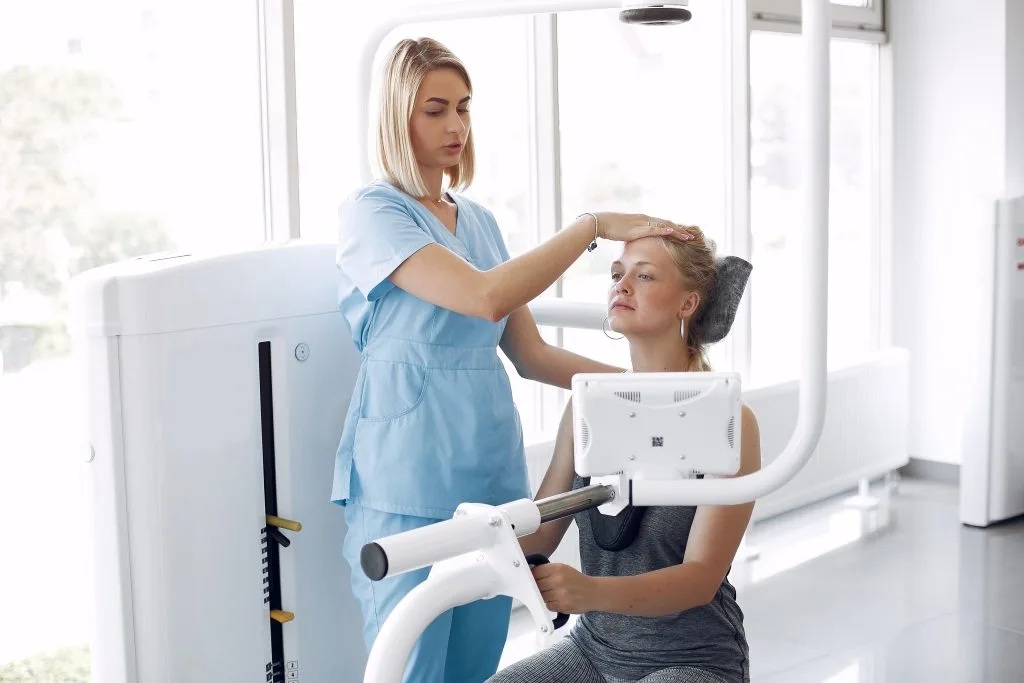
Transcranial Magnetic Stimulation TMS therapy is a non-invasive treatment that uses targeted magnetic pulses to stimulate specific areas of the brain involved in mood regulation. It is primarily used for depression, particularly for people who have not experienced enough improvement with traditional treatments. Unlike medications, TMS works directly on targeted brain regions without surgery or anesthesia. Understanding how TMS works can help you know what to expect and whether it may be an appropriate treatment option.
TMS therapy uses a specialized device to deliver focused magnetic pulses through the scalp. These pulses stimulate nerve cells in areas of the brain that may have reduced activity in people with depression.
The goal is to encourage healthier activity and communication within brain networks involved in mood regulation. With repeated treatment sessions, TMS may help improve brain function and reduce depressive symptoms.
Because TMS is non-invasive, it does not require incisions, injections, or anesthesia. Patients remain awake during treatment and can communicate with the provider throughout the session.
TMS works by creating a magnetic field that passes through the scalp and skull to reach a specific area of the brain. The magnetic pulses create small electrical currents that stimulate nerve cells in the targeted region.
For depression, treatment commonly focuses on the left dorsolateral prefrontal cortex, an area involved in mood regulation and cognitive processes. Stimulating this region may help improve communication between brain networks associated with mood and emotional regulation.
TMS does not typically produce its full effects after one session. Instead, repeated stimulation is used to encourage gradual changes in brain activity. Over time, these changes may contribute to a reduction in depressive symptoms.
Before treatment begins, the patient is positioned comfortably while the provider identifies the appropriate treatment area. The TMS device is then placed against the scalp near the targeted region of the brain.
During the session, the device delivers a series of magnetic pulses. You may hear clicking sounds and feel a tapping or mild sensation on the scalp. TMS does not put you to sleep, so you remain awake and aware throughout the appointment.
The length of each session can vary depending on the treatment protocol being used. Your provider will develop a treatment schedule based on your symptoms, medical history, and individual response.
Once a TMS session is complete, most patients can return to their usual activities. Some people may experience temporary scalp sensitivity, mild discomfort, or a headache following TMS therapy treatment. These effects are generally manageable and tend to improve.
TMS may be appropriate for adults diagnosed with major depressive disorder, especially those who have not experienced sufficient relief from antidepressant medications. It may also appeal to individuals looking for a non-pharmacological treatment option.
A thorough evaluation is performed before treatment begins. Your provider will consider your symptoms, medical history, previous treatments, and other factors when determining whether TMS is appropriate. Certain metal implants or a history of seizures may affect eligibility.
Treatment should always be individualized because each person’s symptoms and treatment history are different.
TMS is generally provided as a series of treatment sessions rather than a single appointment. Because the treatment relies on repeated stimulation, improvements may develop gradually rather than immediately.
Throughout treatment, your provider can monitor changes in your symptoms and overall response. The treatment approach may be adjusted when appropriate to support your progress.
Some patients experience improvements in symptoms such as persistent sadness, low motivation, loss of interest, and difficulty managing everyday activities. However, results vary from person to person, and your provider can help you understand what to expect from your treatment plan.
TMS is generally considered a well-tolerated treatment when administered by appropriately trained professionals. Because it does not require surgery or anesthesia, patients remain awake during treatment and can typically return to their daily routines afterward.
Common side effects may include temporary scalp discomfort or headaches during or shortly after treatment. Before starting therapy, Our Team at Contemporary Care will review your medical history, discuss potential risks and benefits, and help determine whether TMS therapy is appropriate for your needs.
TMS therapy works by using focused magnetic pulses to stimulate specific areas of the brain involved in mood regulation. Through repeated sessions, this stimulation may help improve brain activity and reduce symptoms of depression. Because TMS is non-invasive and does not require anesthesia, it can be an option for eligible patients seeking an alternative to medication-based treatment. Contemporary Care provides personalized TMS therapy and ongoing support to help patients work toward improved mental health and lasting well-being.

About the Author
Dr. Tarique Perera
Take the First Step Toward Feeling Better
August 17, 2026
Danbury, CT
Greenwich, CT
Naples, FL
Springfield, NJ